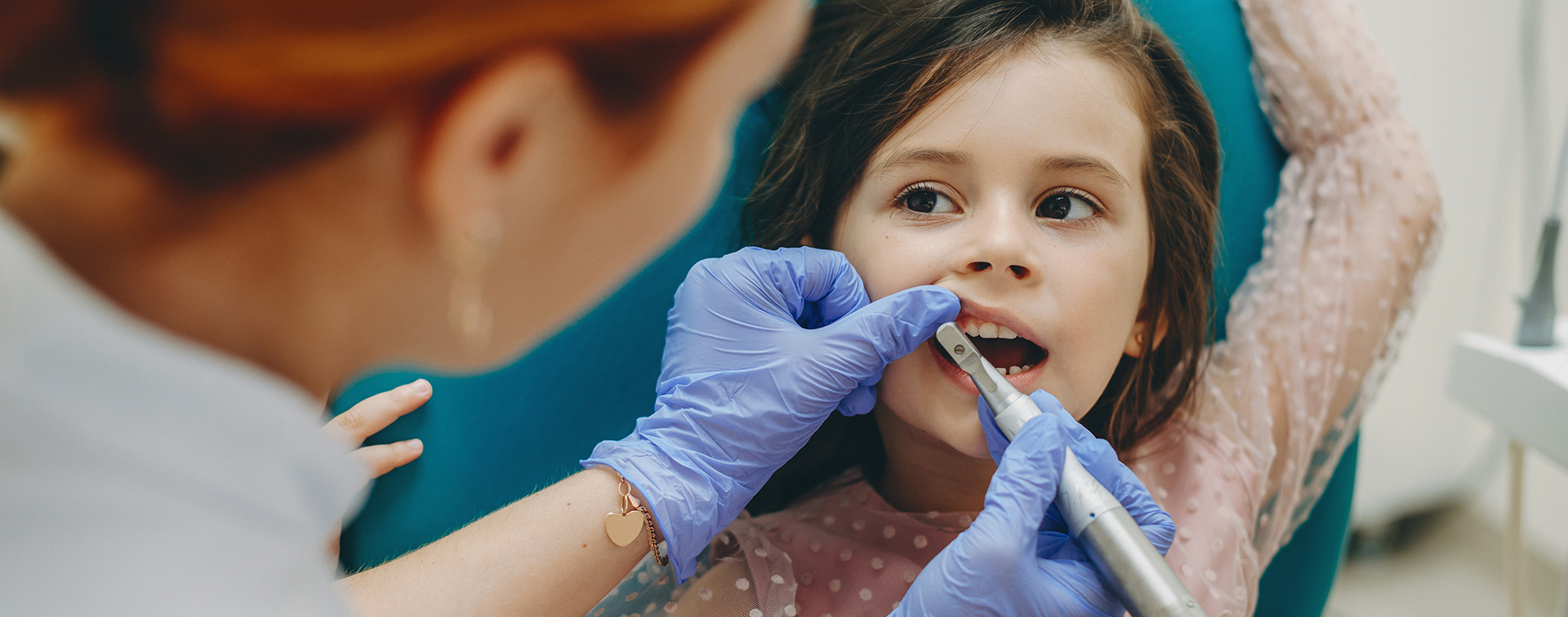
A child’s early experiences with oral care play a major role in shaping lifelong dental habits and overall oral health. Many parents assume that oral hygiene becomes important only after all the baby teeth appear, but healthy routines actually begin much earlier. The habits children develop during infancy and early childhood often influence how they care for their teeth as they grow older. Pedodontists, or pediatric dentists, specialize in helping children establish healthy dental foundations that support long-term oral health and confidence.
The early years of childhood are a period of rapid growth and development. During this time, the teeth, jaws, and oral tissues are constantly changing. Because children are still learning routines and behaviors, these years provide an important opportunity to create positive habits before unhealthy patterns become established.
One of the first lessons pediatric dentists emphasize is that oral care should begin before teeth fully erupt. Cleaning the gums gently during infancy helps maintain a healthy oral environment and introduces children to daily hygiene routines early on. Once baby teeth begin appearing, regular brushing becomes essential for protecting developing teeth from decay and irritation.
Baby teeth may eventually fall out, but they serve several important purposes while they are present. They help children chew properly, support speech development, maintain spacing for permanent teeth, and contribute to facial growth. Healthy baby teeth create a strong foundation for future oral development.
When oral hygiene habits are inconsistent during childhood, plaque and bacteria may build up quickly. Children are still developing brushing skills and often require supervision and assistance longer than many parents realize. Encouraging consistent brushing and healthy eating habits helps reduce the risk of cavities and gum irritation during these important developmental years.
Diet also plays a major role in childhood oral health. Frequent snacking, sugary drinks, sticky foods, and prolonged exposure to sweetened beverages can increase the risk of tooth decay. Pediatric dentists often work closely with parents to help create balanced nutrition habits that support healthier teeth and gums.
Positive reinforcement is especially important when teaching children oral hygiene routines. Children respond well to encouragement, consistency, and routines that feel predictable and manageable. Turning brushing into a positive experience rather than a stressful task often helps children become more cooperative and independent over time.
Early dental visits are another essential part of building healthy habits. Many children who begin visiting the dentist at a young age become more comfortable with dental care overall because the environment feels familiar and routine. These early visits also allow pediatric dentists to monitor growth, identify concerns early, and guide parents through developmental milestones.
Preventive care is one of the biggest advantages of pediatric dentistry. Small issues identified early are often easier and more comfortable to address than problems discovered later after symptoms worsen. Monitoring oral development closely also allows pediatric dentists to identify bite issues, crowding, or habits that may affect future alignment.
Children often learn by observing the adults around them as well. Parents who demonstrate consistent oral hygiene and speak positively about dental care help create healthier attitudes toward dentistry. Children are more likely to view oral care as a normal and important part of life when healthy routines are modeled consistently at home.
Technology and modern lifestyles have also influenced childhood oral habits. Increased screen time and busy schedules sometimes make routines less consistent. Pediatric dentists frequently encourage families to create structured morning and bedtime routines that include oral hygiene as a regular part of the day.
Another important aspect of pediatric dentistry is helping children develop confidence around dental visits. Fear and anxiety often begin when children associate the dentist only with pain or emergencies. Preventive visits focused on education and comfort help create more positive long-term experiences.
As children grow older, independence becomes an important part of oral care education. Teaching children why oral hygiene matters helps them take greater ownership of their health over time. Building these habits early supports healthier decision-making throughout adolescence and adulthood.
Oral health affects far more than the teeth alone. Healthy habits support comfort, nutrition, speech, confidence, and overall wellbeing. Children who learn proper oral care early often experience fewer dental complications and develop healthier relationships with preventive healthcare overall.
Pedodontists focus not only on treating dental issues but also on guiding families through every stage of childhood oral development. Their specialized training allows them to address the unique needs of growing children while creating positive experiences that encourage long-term oral health.
Healthy dental habits are built gradually through consistency, education, and support. By prioritizing early preventive care and encouraging positive routines at home, parents can help children develop strong foundations that protect their smiles for years to come.

*Lunch: 12:30pm to 1:30pm Mon-Fri